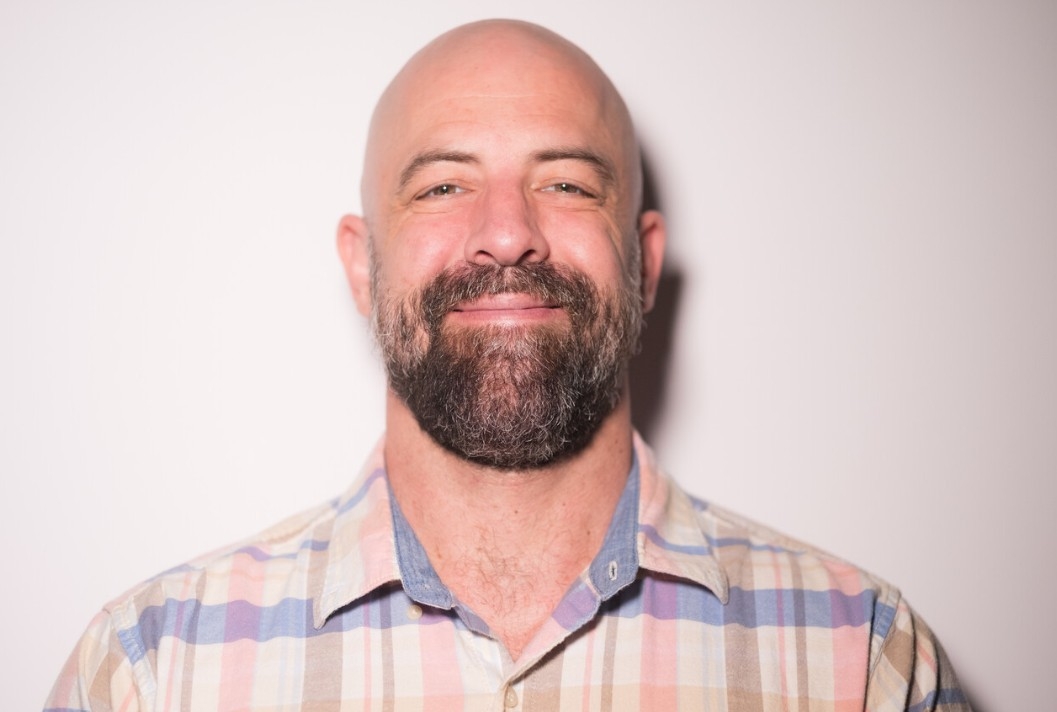
Blood and immune-related diseases are often misunderstood, even as treatment options rapidly improve. According to Dr. Leigh Beveridge, in Australia, many patients still arrive at clinics carrying myths that delay care, increase anxiety, or lead to poor decisions.
“Some of the biggest risks in medicine aren’t just biological,” says Dr. Beveridge. “They’re informational. When people believe the wrong thing, they wait too long or accept the wrong kind of reassurance.”
Below, Dr. Beveridge breaks down five common myths in hematology and autoimmune blood disorders—explaining why they persist, what the science actually shows, and one practical step anyone can take today.
Myth #1: “Blood disorders are always inherited, so there’s nothing you can do.”
Why people believe it: Many people associate blood diseases with genetic conditions like sickle cell disease or hemophilia, so they assume all blood disorders are passed down through families.
The truth: A large number of blood disorders are acquired, not inherited. Autoimmune hemolytic anemia, immune thrombocytopenia (ITP), and complement-driven diseases can develop later in life due to immune system changes.
“Not every blood disorder is written into your DNA,” Dr. Beveridge explains. “Some are triggered by immune misfires that can be treated and controlled.”
Practical tip:If you have unexplained fatigue, bruising, or anemia, ask your doctor for a complete blood count (CBC). It’s a simple first step that can reveal early warning signs.
Myth #2: “If you’re not bleeding, your blood condition can’t be serious.”
Why people believe it:People often think blood diseases only matter when there’s visible bleeding or obvious symptoms.
The truth:Many serious hematologic conditions are silent at first. Complement-driven disorders like PNH can cause internal hemolysis, clot risk, and organ stress without external bleeding.
Dr. Beveridge notes, “Some of the most dangerous blood problems don’t show up dramatically. They show up quietly—in exhaustion, shortness of breath, or recurring infections.”
Practical tip:Don’t ignore persistent fatigue or weakness. Track symptoms over two weeks and bring notes to your next appointment.
Myth #3: “Autoimmune blood diseases are treated the same way as they were 20 years ago.”
Why people believe it:Steroids and broad immune suppression have been standard for decades, so patients assume nothing has changed.
The truth:Treatment has advanced significantly. Targeted therapies, including complement inhibitors and specialized antibodies, are transforming outcomes.
“The field has moved from blunt tools to precision instruments,” says Dr. Beveridge. “We’re no longer just quieting the immune system—we’re targeting the exact pathway causing harm.”
Practical tip:If you were diagnosed years ago, ask your specialist: “Are there newer targeted options for my condition?”
Myth #4: “Complement therapies shut down your immune system completely.”
Why people believe it:The immune system sounds like one on/off switch, so blocking part of it can feel scary.
The truth:Complement inhibitors are designed to block specific proteins in a cascade, not eliminate immune function entirely. Patients are monitored carefully, and vaccination strategies reduce risk.
Dr. Beveridge shares, “Patients often worry they’ll lose all immune protection. The reality is these therapies are engineered for precision, and safety planning is built into treatment.”
Practical tip:If starting a complement therapy, ask your care team about recommended vaccines and infection monitoring plans.
Myth #5: “Rare blood disorders don’t have real innovation because the patient population is too small.”
Why people believe it:People assume pharmaceutical research only focuses on common diseases.
The truth:Rare hematology has become one of the most active areas of biotech innovation. Advances in complement science, gene therapy, and autoimmune-targeting are advancing rapidly.
Dr. Beveridge recalls, “I’ve seen patients go from constant hospital visits to stable lives because of therapies that didn’t exist a decade ago. Rare doesn’t mean forgotten anymore.”
Practical tip:Connect with a disease-specific advocacy group. These organizations often know about trials, specialists, and new therapies first.
Expert Commentary from Dr. Beveridge
Throughout his work in clinical development, Dr. Beveridge emphasizes that clarity and education are part of good care.
“Confusion delays action,” he says. “The best outcomes come when patients understand what’s happening and feel empowered to ask better questions.”
He adds, “The science is moving quickly, but myths move slowly. That’s why communication matters.”
If You Only Remember One Thing
Blood and immune disorders are not stuck in the past. Treatments are becoming more targeted, more effective, and more personalized every year. The most important step is staying informed and asking the right questions early.
“Asking one clear question at the right time can change the entire path of care,” Dr. Beveridge says.
Call to Action
Dr. Beveridge encourages readers to share these myths with friends, family, and anyone navigating a blood or autoimmune condition.
“Pick one myth, share it, and try one tip today,” he says. “Better information leads to better outcomes.”
Help stop misinformation where it starts—send this list to someone who needs it.
About Dr. Leigh Beveridge
Dr. Leigh Beveridge is an Australian-born physician-scientist and senior medical leader in biotech specializing in hematology, oncology, and immunology. He has led late-stage clinical development programs at global organizations with a focus on complement-driven and autoimmune blood diseases. Dr. Beveridge is also a mentor and educator committed to inclusive research, leadership development, and the advancement of therapies that improve patients’ lives.
Media Contact
Contact Person: Dr Leigh Beveridge
Email: Send Email
City: Melbourne
State: Victoria
Country: Australia
Website: https://www.drleighbeveridge.com/