Modern buyers make decisions quickly, and effective product visuals can significantly influence that decision. If your brand looks unclear or inconsistent, you lose attention and sales in seconds. Visual branding for businesses sets the first impression you make, and that matters.
Strong visuals help people recognize your brand, trust it, and remember it later. Color choices, typography, layout, and imagery guide how you present value. You shorten the decision time when these elements stay consistent across channels.
If you want visuals that work harder for sales and not just aesthetics, you’re in the right place.
What is Visual Branding for Business?
Visual branding for businesses is the set of visual elements that represent a brand and make it recognizable. It includes logo design, color palette, typography, imagery, and layout style.
Every business needs to create a consistent look that tells its audience what to expect from the brand without needing extra explanation. It shapes first impressions and builds trust quickly.
For marketing professionals, strong visual branding makes it easier to scale marketing campaigns because your team can reuse a defined visual system instead of creating assets from scratch.
In a nutshell, if you want a brand that stands out and stays memorable, visual branding is not optional.
Top Visual Branding for Businesses You Should Try Out
Successful branding leaves an impact on the buyer’s mind. Here are some visual branding tips for businesses you can try out.
1. Define A Clear Visual Identity
Clarity beats creativity when buyers scan a brand for signals they can trust. You need to set firm rules for how your brand looks and shows up everywhere.
Decide early on logo usage, color palette, typography, imagery style, and layout standards so every visual asset feels intentional. Visual branding for businesses works better when there’s uniformity.
Additionally, defining a visual identity makes your brand easier to spot among your competitors. Think of how Coca-Cola created an iconic logo that’s known all over the globe. Even the sound of a Coca-Cola can opening is directly linked to the brand.

2. Use A Consistent Color Palette
Color is the first thing people see before your copy ever gets read. A consistent color palette involves selecting a limited set of brand colors and applying them the same way across every visual asset.
For instance, building your banner design with consistent colors makes it feel intentional and easy to identify in crowded feeds.
Think of Cadbury, the first thing that comes to your mind is the shiny purple color the brand is known for. That illustrates how important choosing the right color is.

When you apply colors consistently, you train audiences to spot your brand at a glance. You reduce visual noise and prevent mixed signals that weaken recall.
3. Keep Design Clean And Uncluttered
Crowded visuals slow decisions and weaken brand signals. Limit the number of elements on the screen and give the ones you use a clear role.
A key thing many people forget when it comes to visual branding for businesses is that empty space is also important. You need to use it with purpose, like controlling text length to avoid stacking visuals that compete for attention.
Clean design directs focus where you want it and reduces visual fatigue. You help audiences scan faster and grasp key points without effort.
4. Create A Memorable Logo
Some logos never need any text to be recognized because their shape and form do the work. A good example would be the Apple logo; all it takes is one look for people to know what it stands for.

For the best results, choose orms, colors, and proportions that reflect the brand’s identity without extra detail. You would have attained success if you created a logo that doesn’t need to be accompanied by text.
5. Maintain Visual Consistency Everywhere
Brands feel stronger when they look the same wherever people see them. Apply the same visual rules across every channel you manage because visual branding for business shouldn’t create confusion.
This involves keeping colors, fonts, image style, logo placement, and layout aligned on websites, ads, social media, and print.
Consistency helps you make the brand easy to identify in busy feeds and crowded markets. Most importantly, it sets expectations each time someone interacts with your brand, especially on social media.
6. Use High Quality Images And Graphics
First impressions form before a single line of your copy is read. Therefore, you need to make that count by using high-quality images to qualify your brand as professional.
Choose visuals that look sharp, intentional, and relevant. Avoid pixelated photos, generic stock, and mismatched styles that weaken visual branding for businesses.
Strong visuals help you communicate professionalism and attention to detail at a glance. You guide perception by using clear imagery that fits the brand tone and message.
7. Design With Mobile Users In Mind
Designing with mobile users in mind means you build visuals that stay clear and readable on small screens.
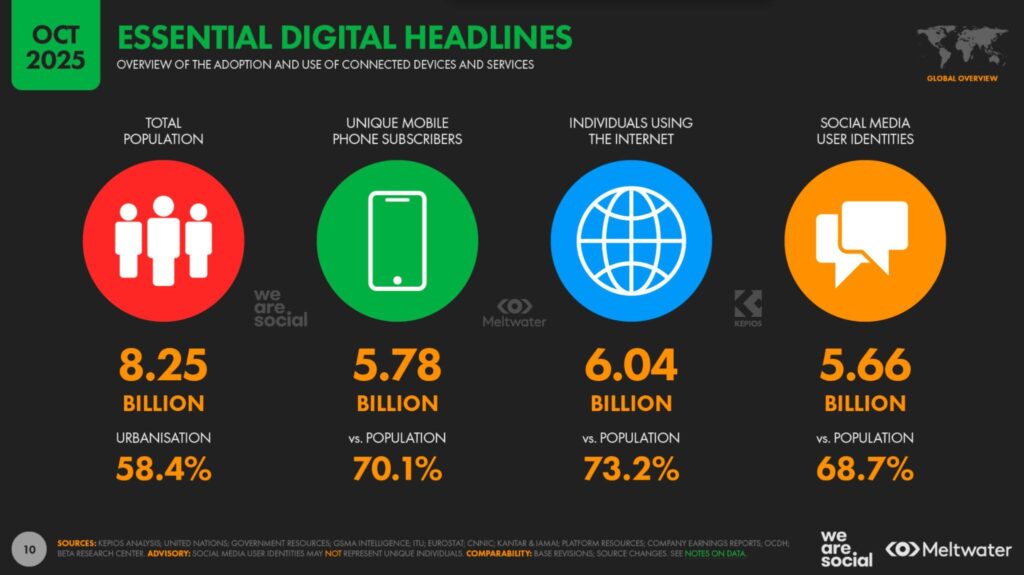
As of October 2025, 96% of internet users used a mobile phone to go online. That translates to 5.78 billion people. This is why visual branding for business depends on how your business is presented on smaller screens.
Start by prioritizing simple layouts, clear spacing, legible text sizes, and images that scale without losing detail.
Mobile-focused design helps you control how the brand appears in fast-scrolling environments. You reduce friction by making visuals easy to scan and quick to recognize.
8. Apply Visual Hierarchy For Clarity
People scan visuals in a set order even when they do not realize it. Applying visual hierarchy for clarity involves controlling order through size, contrast, spacing, and placement.
Visual hierarchy is an important element of visual branding for businesses because it keeps brand messages clear and prevents visual confusion. It’s especially crucial if you plan to use digital signage for your branding.
Furthermore, a clear hierarchy helps you guide attention without extra explanation. You make headlines stand out, keep supporting details readable, and ensure key visuals get noticed fast.
Elevate Your Visual Branding
Modern buyers decide quickly, so you need visuals that communicate trust and value in seconds. Visual branding for businesses creates the first impression through consistent elements like color, typography, layout, and imagery.
When these elements stay uniform across channels, your brand becomes easier to recognize, remember, and choose. Take your time to come up with a brand visibility strategy that makes your business stand out.