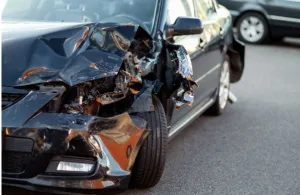
So, Florida is flirting again with the idea of ditching its no-fault personal injury protection (PIP) rule, a pretty big shake-up for the state’s auto insurance scene. If lawmakers pull the trigger, drivers at fault in a crash would be on the hook for damages, not their own insurer. On paper, this might mean cheaper insurance premiums upfront, but there’s a catch: accident victims could get stuck with bigger bills and, honestly, more legal headaches.
People in favor of the repeal say it’ll cut costs for a lot of drivers by scrapping that $10,000 PIP minimum everyone’s required to carry now. But critics? They’re not convinced some argue rates could actually go up for certain folks and that fewer drivers might bother with the new required coverage, which sounds like a recipe for more lawsuits after fender benders. Either way, these changes could totally reshape how accidents hit Floridians’ wallets.
If you end up in an accident, you’ll want to keep an eye on all this. Getting advice from a Florida car crash lawyer might become even more important as the rules about liability and responsibility get rewritten. The debate’s still raging as Florida tries to figure out how to keep insurance affordable without leaving people unprotected.
How PIP Repeal Would Change Florida Auto Insurance
If this repeal goes through, Florida’s whole auto insurance setup gets a makeover. The no-fault coverage—where your policy pays out no matter who’s at fault—would be gone. Instead, drivers would have to lean way more on liability coverage, with higher required limits and a bigger role in how claims get sorted out. Policies would get reworked, obligations would shift, and everyone would have to adjust pretty quickly.
From No-Fault to Fault-Based: What Shifts for Drivers
Right now, Florida drivers have to carry coverage that pays medical bills right away after a crash, regardless of blame. That requirement would disappear. Instead, if you’re hurt, you’d need to prove the other driver was at fault to get compensated, so bodily injury liability coverage would become the main thing.
So, no more guaranteed medical payments after an accident. Getting your expenses covered might mean more legal wrangling, since you’d have to show who caused the crash. Some drivers could get stuck waiting longer for reimbursements, and if your insurance doesn’t hit the new minimums, you might be paying out of pocket.
New Minimum Coverage and Bodily Injury Liability Requirements
Lawmakers are talking about swapping out PIP for tougher bodily injury liability rules. The numbers getting tossed around? Instead of $10,000/$20,000, we’re looking at $25,000 per person and $50,000 per accident as the new floor.
The goal is to make sure drivers have enough coverage to actually pay for injuries they cause. There’d also be new requirements for property damage liability, and uninsured/underinsured motorist coverage could get tweaked, too. All these changes will probably show up in your premiums—maybe up, maybe down, depending on your situation and how insurance companies crunch the numbers.
Implementation Timeline and Transition Challenges
If this all gets signed into law, the changes would probably roll out sometime in mid-2026. That’s not a ton of time for insurance companies to rewrite policies, regulators to update their guidelines, and for drivers to figure out what’s what.
During the switch, everyone—drivers, insurers, doctors—would have to deal with new claim processes and different payment schedules. Expect more legal disputes as people fight over who’s to blame. Insurers will have to rethink how they set rates, and the courts could get busier with these new fault-based cases until things settle down.
Financial Impact and Stakeholder Perspectives
Scrapping Florida’s no-fault system is a big move, and it’s got people wondering how the costs will shake out for drivers, insurance companies, and medical providers. There’s a lot in the mix—potential premium changes, effects on healthcare, and all sorts of opinions from lawmakers, industry folks, and lawyers.
How Repeal Could Affect Insurance Costs and Premiums
Getting rid of mandatory PIP could knock a chunk off the average Florida driver’s bill—some say as much as $349 a year for about two-thirds of people, since that $10,000 in medical coverage would be history. Sounds good, right?
But here’s where it gets messy: swapping PIP for higher bodily injury minimums ($25,000 per person, $50,000 per crash) could actually push premiums up for some, with estimates ranging from a 48% to 77% jump depending on your risk profile. Insurance companies point out that PIP rates have already dropped 6-11% since 2023, so some drivers are already paying less.
If coverage gets pricier, some drivers might just skip it altogether, which could mean more uninsured cars on the road and bigger risks for everyone if there’s an accident.
Potential Benefits and Risks for Motorists and Medical Providers
Fans of the repeal say it’ll let crash victims go after the at-fault driver directly, which could mean fairer payouts and maybe less fraud. Making drivers fully responsible for the harm they cause might even push people to drive more safely—at least, that’s the theory.
On the flip side, doctors and hospitals could be left waiting longer for payment, since they wouldn’t have that PIP safety net anymore. Getting paid might depend on lawsuits or settlements, which isn’t great for anyone needing fast care.
Plus, without PIP, drivers could see more lawsuits over smaller injuries that used to be settled quickly. That could mean more legal fees and longer waits for everyone to get their money.
Debate Among Lawmakers, Insurers, and the Legal Community
The Florida House has been anything but quiet on this topic. Republican Representative Danny Alvarez, along with a crew of 163 supporters—yes, including a rather vocal pro-Trump biker group—are all in on repealing the current system. They’re convinced PIP is just too expensive, arguing it unfairly squeezes drivers and makes decent coverage just out of reach for too many Floridians.
Governor Ron DeSantis, on the other hand, isn’t rushing in. He’s made it clear he wants to see real, measurable rate drops before he’ll throw his weight behind any changes. He’s also worried, and not without reason, that trial lawyers could end up cashing in on the reforms by way of more lawsuits.
Insurance industry reps, for their part, point out that some recent legal tweaks have already brought PIP rates down. They’re quick to warn that moving to a bodily injury liability system could just open the floodgates for lawsuits—and maybe even nudge some folks right out of the insurance market altogether. Meanwhile, groups like the Florida Justice Association are pushing back, saying it’s about making sure people can get quick medical help when they need it, and not throwing them into the risky world of fault-based claims and one-way attorney fees.