New York-based scholar Mara Naaman urges educators, writers, and families to move beyond "success metrics" and reconnect with learning, art, and human connection.
NEW YORK CITY, NY / ACCESS Newswire / March 9, 2026 / At a time when achievement is measured in clicks, credentials, and quarterly outcomes, independent scholar and writer Mara Naaman is raising awareness about what she sees as a growing cultural problem: the pressure to prioritize performance over purpose.
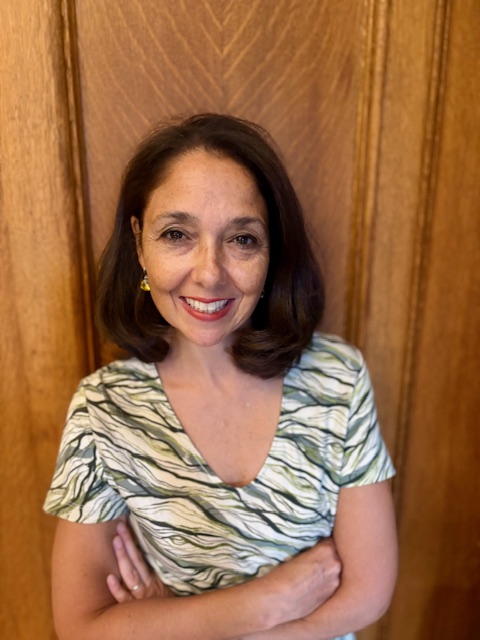
Naaman, a former professor of Comparative Literature and Arabic at Williams College, is speaking out about the need to shift away from what she calls a "success mindset."
"I don't like to think in terms of success or outcomes," Naaman says. "Being invested in process means being able to learn for the sake of our own enlightenment."
Her message comes as new data highlights the cost of performance-driven culture. According to the American Psychological Association, nearly 60 percent of teens report feeling serious pressure to get good grades. A 2023 Gallup poll found that only 36 percent of U.S. workers feel engaged at work, a sign that many people feel disconnected from meaning in their daily lives. Among college students, anxiety and burnout rates continue to rise, with over 40 percent reporting persistent feelings of hopelessness, according to national health surveys.
Naaman believes these numbers reflect more than stress. They reveal a deeper issue in how society defines value.
"Being ‘success-oriented' distracts us from what is most important," she says. "The journey matters. Seeking fulfillment and a sense of purpose matters more than using external measures to validate our sense of value."
Reclaiming Learning for Its Own Sake
Naaman's own life reflects a commitment to process.
Born in Oakland, California and raised in Michigan by a single mother who painted at night, she grew up surrounded by Iraqi immigrant family members and a strong creative influence at home. She trained seriously as a dancer and attended Interlochen Arts Academy before shifting her focus to literature.
She later earned her PhD in Arabic Literature from Columbia University, after years of study and research in Cairo. Her dissertation on literary representations of downtown Cairo received high honors. Over the years, she has held fellowships including a Fulbright IIE Scholarship in Egypt.
But she resists framing these milestones as achievements in the traditional sense.
"Thinking beyond a ‘success mindset' means fully immersing ourselves in our lives," she says. "It means taking the time necessary to be good to those around us and to produce work we care about, even if it means not prioritizing financial gain."
Why This Conversation Matters Now
Experts across education and workforce development warn that overemphasis on measurable outcomes can narrow creativity and reduce long-term well-being. Studies show that intrinsic motivation - doing something for meaning rather than reward - is strongly linked to persistence, deeper learning, and life satisfaction.
Naaman argues that this principle applies far beyond the classroom.
"What we contribute to this world, how we treat others, and human connection are what's most important," she says. "No matter what."
In her view, reclaiming process does not require a dramatic life change. It starts with small, daily choices.
"Write lists. Look at your calendar. Keep screen time to a minimum," she says, describing her own routines. "Read widely. Pay attention to the world around you. Talk to friends. Keep running. Remember to laugh."
She also points to her mother's resilience as a guiding force. "At 90, she still tells me, each day is a fight," she says. "I keep reading. I try to hold my children close."
A Call to Individuals, Not Institutions
Rather than calling for sweeping policy reform, Naaman encourages individuals to begin where they are.
She suggests:
Setting aside time each week to read or create without a productivity goal.
Reducing social media use that reinforces comparison culture.
Talking openly with children and students about learning as a journey.
Valuing curiosity and depth over speed and output.
"Being who I want to be in the world means a willingness to embrace uncertainty," she says. "To accept that the world is tragic and that I am deeply flawed but to still go on seeking inspiration and trying to be a force for good."
In a culture driven by metrics, Naaman's message is simple but countercultural: slow down, pay attention, and care more about how you live than how you rank.
To read the full interview, visit the website here.
About Mara Naaman
Mara Naaman is a New York-based independent scholar, writer, and editor. A former Assistant Professor of Comparative Literature and Arabic at Williams College. She earned her PhD in Arabic Literature from Columbia University and has been a Fulbright IIE Scholar in Cairo. Her work focuses on contemporary Arabic and American cultural production, gender, and working-class identity. She is currently pursuing an MFA in Creative Writing at the City College of New York and is at work on a novel.
Contact:
SOURCE: Mara Naaman
View the original press release on ACCESS Newswire