San Francisco, CA - When water damage strikes a home or commercial property, most people focus on what they can see—standing water, soaked floors, or damaged walls. What often goes unnoticed is what happens beneath surfaces during the first 72 hours after exposure. According to Water Damage Restoration, those early hours determine whether damage remains manageable or escalates into long-term structural and health issues.
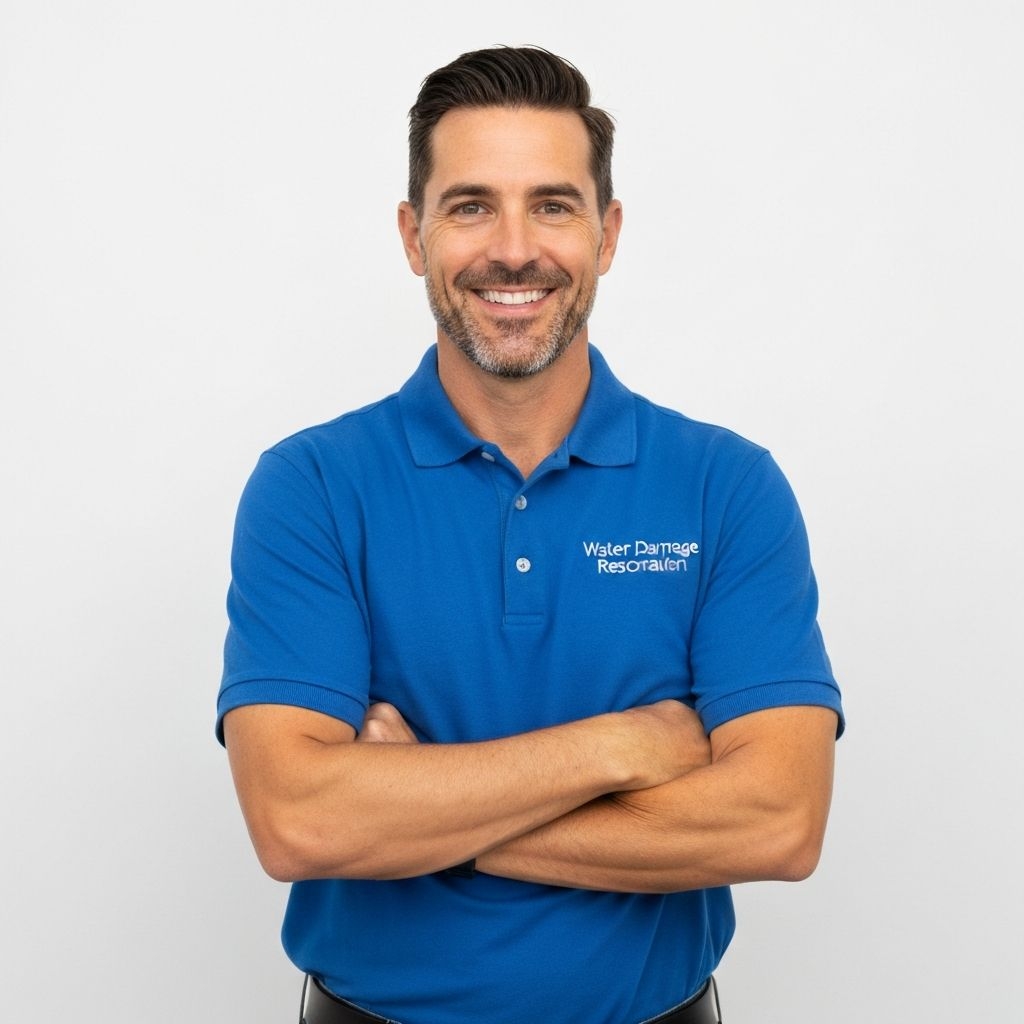
Based at 182 Shipley St, San Francisco, CA 94107, Water Damage Restoration provides professional water damage restoration services designed to address not only visible damage but the hidden processes that unfold after water intrusion. The company emphasizes that water damage is a time-sensitive event governed by physics, moisture migration, and microbial activity.
“Water doesn’t just sit where it lands,” said a company representative. “It moves, absorbs, evaporates, and creates conditions that can permanently damage a structure if not controlled quickly.”
Hour 0–24: Water Migration and Saturation
Immediately after water intrusion, moisture begins spreading through flooring, drywall, insulation, and framing. This is when 24/7 Emergency Water Extraction plays a critical role. Rapid removal of standing water limits how far moisture can travel and reduces saturation of porous materials.
Without prompt extraction, water continues migrating into adjacent rooms and lower levels, increasing the scope of damage.
Hour 24–48: Hidden Moisture and Structural Stress
Once surface water is removed, the real challenge begins. Moisture trapped inside walls and subfloors creates elevated humidity levels that weaken materials and encourage microbial growth. Structural drying & dehumidification is used to control these conditions by regulating airflow, temperature, and humidity at a precise level.
If contamination is involved, Sewage cleanup becomes essential during this phase. Untreated sewage exposure can spread bacteria throughout the structure and poses serious health risks.
Hour 48–72: Secondary Damage and Air Quality Concerns
By the third day, lingering moisture begins altering indoor air quality. Odors develop, materials deteriorate, and mold spores may activate. Water Damage Cleaning removes residue left behind by the water, while Mold prevention measures are applied to vulnerable areas to stop microbial growth before it becomes visible.
At this stage, Odor removal treatments neutralize smells caused by bacteria, moisture, or sewage exposure—often an early warning sign of unresolved damage.
Beyond 72 Hours: Repair and Recovery
Once the environment is stabilized, restoration transitions from mitigation to rebuilding. Reconstruction restores damaged drywall, flooring, cabinetry, and structural elements, returning the property to its pre-damage condition or better.
Water Damage Restoration coordinates this phase carefully to ensure repairs are performed only after moisture levels are confirmed safe, preventing future issues from developing behind newly installed materials.
Why the Timeline Matters
According to Water Damage Restoration, many costly restoration projects begin as manageable incidents that were not addressed properly during the first three days. Delayed drying, incomplete cleaning, or skipped prevention steps often lead to mold remediation, structural replacement, or repeated repairs.
By understanding what happens behind the scenes, property owners gain clarity on why professional restoration involves more than just drying carpets or removing water.
Media Contact
Company Name: Water Damage Restoration
Contact Person: Kevin Williams
Email: Send Email
Phone: 415-376-0235
Address:182 Shipley St
City: San Francisco
State: CA
Country: United States
Website: waterdamagerestoration.click